

QUICK CALL
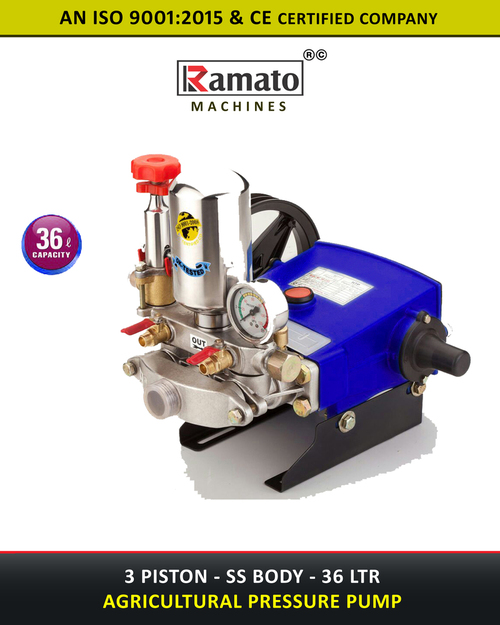
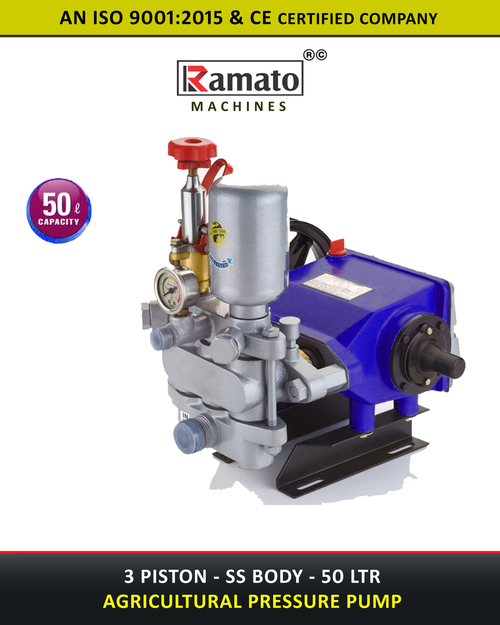
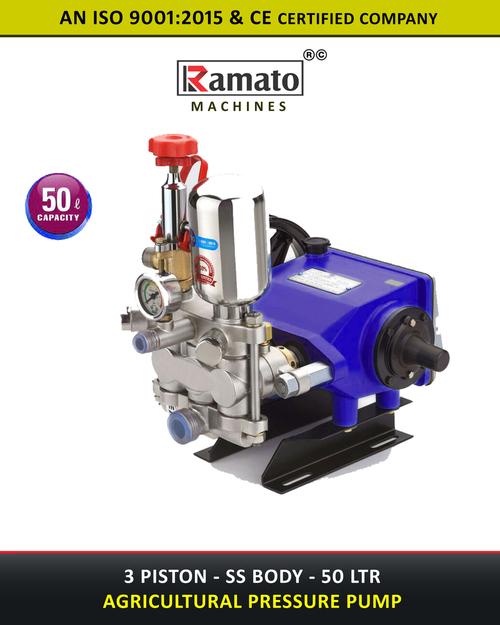
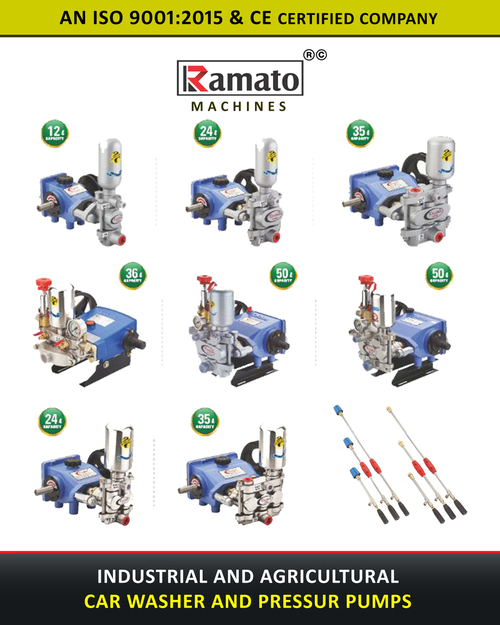
An Ramato agricultural pressure sprayer pump is a crucial component of agricultural spraying equipment used for applying pesticides, herbicides, fertilizers, and other agricultural chemicals to crops, orchards, and fields. An agricultural pressure sprayer pump is a mechanical device that pressurizes liquid from a tank and delivers it through a hose and nozzle in the form of a fine mist or spray. The pump creates pressure within the system, forcing the liquid out of the nozzle at high velocity to effectively cover the target area with the desired chemical solution.
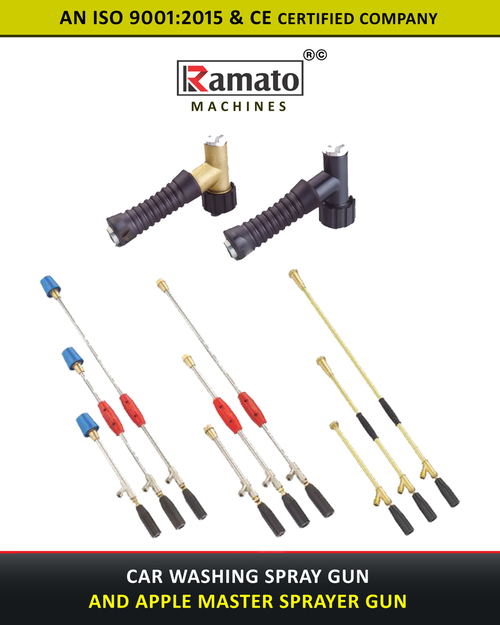
A Ramato Make car washing pressure pump, also known as a pressure washer pump, is a key component of a pressure washing system used to clean vehicles, driveways, sidewalks, and various surfaces. A car washing pressure pump is a mechanical device that pressurizes water from a water source, such as a garden hose or water tank, and delivers it through a high-pressure hose to a spray gun or nozzle. The pump creates a high-pressure stream of water, which is used to remove dirt, grime, mud, and other contaminants from surfaces.
Ramato Have Wide Range of Casting Body Head and SS Body Head Models with Single Piston, Two Piston and Three Piston Pressure Pump (Agricultural Sprayer) Plunger Pumps.
Ramato is Leading Manufacturer and Exporter of Car Washer, Service Pump, Pressure Pump, Plunger Pump, 3 Piston Pump, Agricultural Pump and Sprayer Pressure Pump From Rajkot Gujarat Bharat (INDIA).
High-Pressure Output: Agricultural pressure sprayer pumps are designed to generate high pressure, typically ranging from 20 to 100+ PSI (pounds per square inch), depending on the model and application requirements.
Diaphragm or Piston Design: There are two main types of agricultural sprayer pumps: diaphragm pumps and piston pumps. Diaphragm pumps use flexible membranes to create pressure, while piston pumps use reciprocating pistons. Both designs offer advantages in terms of durability, efficiency, and chemical compatibility.
Pump Material: Agricultural sprayer pumps are constructed from materials that are resistant to corrosion, abrasion, and chemical damage. Common materials include stainless steel, brass, aluminum, and reinforced plastics.
Adjustable Pressure Regulator: Many agricultural sprayer pumps feature an adjustable pressure regulator or control valve that allows users to adjust the pressure of the spray output based on the application requirements and the type of chemical being applied.
Mounting Options: Agricultural sprayer pumps may be mounted directly onto a tank or secured to a frame or bracket for portability and ease of use. Some pumps are designed for backpack or handheld sprayers, while others are mounted onto tractor or ATV-mounted sprayers.
Safety Features: Agricultural sprayer pumps may include safety features such as pressure relief valves, which prevent over-pressurization of the system, and automatic shut-off mechanisms to prevent pump damage in case of overheating or dry running.
Crop Protection: Agricultural pressure sprayer pumps are used to apply pesticides, herbicides, and fungicides to crops to control pests, weeds, and diseases and promote crop health and yield.
Fertilizer Application: Sprayer pumps are used to apply liquid fertilizers, micronutrients, and soil amendments to crops to provide essential nutrients for plant growth and development.
Orchard and Vineyard Management: Sprayer pumps are used in orchards and vineyards to apply insecticides, fungicides, and growth regulators to fruit trees and grapevines to protect against pests and diseases and improve fruit quality and yield.
Livestock Pest Control: Sprayer pumps are used to apply insecticides and parasiticides to livestock and poultry facilities to control flies, mosquitoes, ticks, and other pests that can affect animal health and productivity.
Weed Control: Sprayer pumps are used for spot spraying or broadcast spraying of herbicides to control weeds in agricultural fields, pastures, lawns, and non-crop areas.
In summary, agricultural pressure sprayer pumps are essential tools for modern farming operations, providing efficient and precise application of chemicals for crop protection, nutrient management, weed control, and pest management. They play a critical role in ensuring crop health, productivity, and sustainability in agricultural systems around the world.
Features
High-Pressure Output: Agricultural pressure sprayer pumps are designed to generate high pressure, typically ranging from 20 to 100+ PSI (pounds per square inch), depending on the model and application requirements.
Diaphragm or Piston Design: There are two main types of agricultural sprayer pumps: diaphragm pumps and piston pumps. Diaphragm pumps use flexible membranes to create pressure, while piston pumps use reciprocating pistons. Both designs offer advantages in terms of durability, efficiency, and chemical compatibility.
Pump Material: Agricultural sprayer pumps are constructed from materials that are resistant to corrosion, abrasion, and chemical damage. Common materials include stainless steel, brass, aluminum, and reinforced plastics.
Adjustable Pressure Regulator: Many agricultural sprayer pumps feature an adjustable pressure regulator or control valve that allows users to adjust the pressure of the spray output based on the application requirements and the type of chemical being applied.
Mounting Options: Agricultural sprayer pumps may be mounted directly onto a tank or secured to a frame or bracket for portability and ease of use. Some pumps are designed for backpack or handheld sprayers, while others are mounted onto tractor or ATV-mounted sprayers.
Safety Features: Agricultural sprayer pumps may include safety features such as pressure relief valves, which prevent over-pressurization of the system, and automatic shut-off mechanisms to prevent pump damage in case of overheating or dry running.
Applications
Crop Protection: Agricultural pressure sprayer pumps are used to apply pesticides, herbicides, and fungicides to crops to control pests, weeds, and diseases and promote crop health and yield.
Fertilizer Application: Sprayer pumps are used to apply liquid fertilizers, micronutrients, and soil amendments to crops to provide essential nutrients for plant growth and development.
Orchard and Vineyard Management: Sprayer pumps are used in orchards and vineyards to apply insecticides, fungicides, and growth regulators to fruit trees and grapevines to protect against pests and diseases and improve fruit quality and yield.
Livestock Pest Control: Sprayer pumps are used to apply insecticides and parasiticides to livestock and poultry facilities to control flies, mosquitoes, ticks, and other pests that can affect animal health and productivity.
Weed Control: Sprayer pumps are used for spot spraying or broadcast spraying of herbicides to control weeds in agricultural fields, pastures, lawns, and non-crop areas.
In summary, agricultural pressure sprayer pumps are essential tools for modern farming operations, providing efficient and precise application of chemicals for crop protection, nutrient management, weed control, and pest management. They play a critical role in ensuring crop health, productivity, and sustainability in agricultural systems around the world.
| MODEL NUMBER | 3P-SS-36 | 3P-SG-50 | 3P-SS-50 |
| PISTON TYPE | 3 | 3 | 3 |
| PUMP MODEL | HP-S3-36 | HP-G3-50 | HP-S3-50 |
| MOTOR REQUIRE | 2 / 3 | 3 / 5 | 3 / 5 |
| RPM | 575 | 575 | 575 |
| SUCTION CAPACITY (LPM) | 36 LTR | 50 LTR | 50 LTR |
| NORMAL PRESSURE IN PSI (KG) | 0-600 (35) | 0-600 (35) | 0-600 (35) |
| MAX PRESSURE IN PSI (KG) | 800 (45) | 800 (45) | 800 (45) |
| V-BELT | A-38 | A-38 | A-38 |
| WEIGHT | 15 KG | 25 KG | 17 KG |