
QUICK CALL
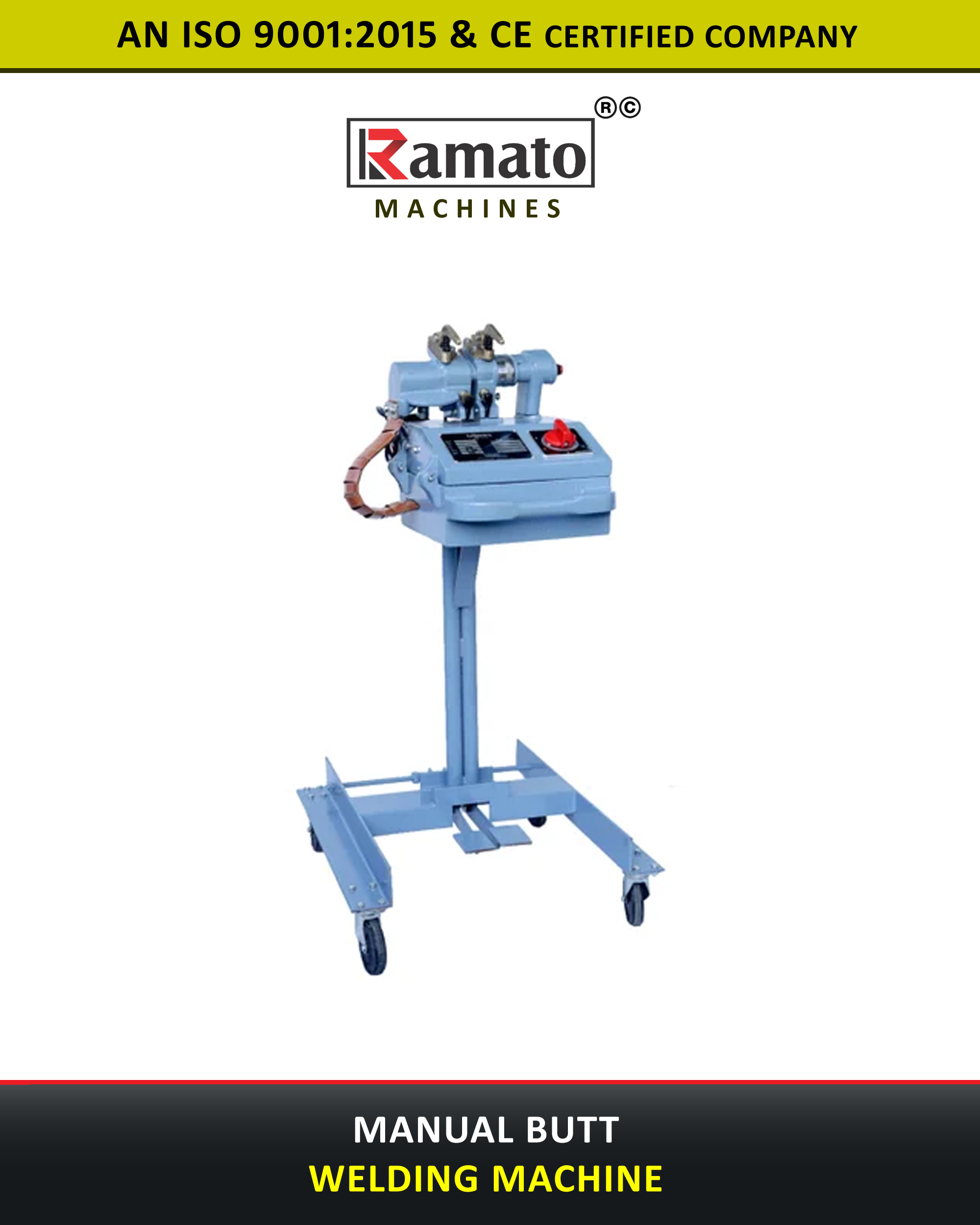
Ramato Butt welding machines are essential tools in the welding industry, primarily used for joining two pieces of metal together end-to-end.
Butt welding machines, also known as resistance butt welders, utilize electrical resistance to generate heat at the joint area between two workpieces. The two pieces are placed in close proximity and subjected to pressure, while an electric current passes through them. This current creates heat, melting the metal at the joint. Once the metal reaches the desired temperature, pressure is applied to forge a strong, uniform weld.
Power Source: Butt welding machines typically use electricity as their power source.
Control Systems: Many modern butt welders feature advanced control systems to regulate temperature, pressure, and welding parameters.
Pressure Mechanism: These machines are equipped with pressure mechanisms to ensure proper contact between the workpieces during welding.
Electrodes: Electrodes, usually made of copper, are used to conduct the electric current to the workpieces.
Cooling Systems: Some models incorporate cooling systems to prevent overheating of the equipment during prolonged use.
Automation: Advanced models may include automation features for precise control and repeatability.
Metal Fabrication: Butt welding machines are extensively used in metal fabrication processes for joining components in various industries such as automotive, aerospace, and construction.
Piping Systems: They are commonly employed in the fabrication and repair of pipes and pipelines used in industries like oil and gas, water distribution, and HVAC systems.
Manufacturing: Butt welding is a vital process in the manufacturing of metal products, including tanks, containers, and structural components.
Shipbuilding: The construction of ships and marine structures often involves the use of butt welding machines for joining metal plates and sections.
Railroad Industry: Butt welding is crucial for rail manufacturing and repair, ensuring the integrity and strength of railway tracks.
Butt welding machines offer efficient and reliable joining solutions, contributing to the strength and durability of welded structures across various industrial sectors.
Features
Power Source: Butt welding machines typically use electricity as their power source.
Control Systems: Many modern butt welders feature advanced control systems to regulate temperature, pressure, and welding parameters.
Pressure Mechanism: These machines are equipped with pressure mechanisms to ensure proper contact between the workpieces during welding.
Electrodes: Electrodes, usually made of copper, are used to conduct the electric current to the workpieces.
Cooling Systems: Some models incorporate cooling systems to prevent overheating of the equipment during prolonged use.
Automation: Advanced models may include automation features for precise control and repeatability.
Applications
Metal Fabrication: Butt welding machines are extensively used in metal fabrication processes for joining components in various industries such as automotive, aerospace, and construction.
Piping Systems: They are commonly employed in the fabrication and repair of pipes and pipelines used in industries like oil and gas, water distribution, and HVAC systems.
Manufacturing: Butt welding is a vital process in the manufacturing of metal products, including tanks, containers, and structural components.
Shipbuilding: The construction of ships and marine structures often involves the use of butt welding machines for joining metal plates and sections.
Railroad Industry: Butt welding is crucial for rail manufacturing and repair, ensuring the integrity and strength of railway tracks.
Butt welding machines offer efficient and reliable joining solutions, contributing to the strength and durability of welded structures across various industrial sectors.